

Integrating human factors effectively within the safety management system (SMS) helps the organisation understand sources of human–system risk within the operation, and address them in a way that improves safety and operational outcomes.

We can audit your SMS and pinpoint where improvements will enhance human–system performance and reduce the impacts of human error on safety and operational outcomes.

Enhance your safety investigations

We can support your organisation’s safety investigation process through:

  • Reviews and updates of safety investigation processes and procedures, to integrate human factors principles effectively
  • Training and coaching for safety investigators in applying human factors throughout the investigation process
  • A human factors specialist to supplement your internal team for significant or complex investigations
  • Systemic reviews of trends and emerging human factors risks to operational safety

The human factors difference

Traditional safety management systems are built around a compliance model: procedures are written, incidents recorded and corrective actions logged. When human error appears as a contributing factor, the immediate response is often to retrain the individual, revise the procedure or tighten supervision. The implicit assumption is that people cause accidents, and better-managed people cause fewer of them.

Human factors takes a different approach. It views error as a symptom, shaped by the interaction between people, their tasks, their tools, their surroundings and the organisational conditions around them, rather than as the explanation for what went wrong. This shifts attention from who failed to what conditions made failure more likely, and what made the system vulnerable in the first place.

In practice, this means identifying the workarounds and near misses that never reach your incident register, understanding the real demands placed on your people in the moment, and detecting latent organisational risk before it aligns into an adverse event, rather than reconstructing it afterwards.

The human factors integration approach

1. Know your system context

  • Identify human–system interfaces
  • Identify the goals and functions of the human role within the system
  • Identify sources of human–system risk

Human error and human performance are often seen as sources of risk within an organisation. However, when identifying and assessing risk, the focus should include the factors within the system that may affect human performance and contribute to error.

2. Integrate human factors within your SMS

We can audit your SMS to identify opportunities to improve the management of human–system risk. We can also identify where human factors can be leveraged to move beyond safety compliance, towards optimum human–system performance.

3. Sustainable SMS Solutions

  • Human factors integration in the SMS
  • Human error risk management
  • Human factors support for safety investigations
  • Human factors data collection and reporting
  • Safety culture and just culture programs
  • Human factors coaching

We identify what could be improved to support human performance. Just as importantly, we highlight what is working, so these success factors aren’t inadvertently removed. Our human factors solutions integrate seamlessly with your existing SMS.

Examples of our work

Mining

Haul truck human factors diagnostic review

SystemiQ performed a human factors diagnostic review of haul truck incidents for a mining operation, and recommended safety improvements. This involved:

  • Reviewing incident reports and investigation materials, publicly available reports of similar incidents, workshop reports, training materials, management of change documentation and truck operation manuals
  • Interviewing truck drivers, trainers, workshop personnel and other key stakeholders
  • Observing truck operations on site, to gain a thorough understanding of the operational context
  • Assessing the design and layout of the truck cab and controls
  • Developing a comprehensive report detailing the methodology and findings, with a suite of proposed interventions

Outcome: the client adopted a number of the recommended systemic improvements to address factors behind the incidents.
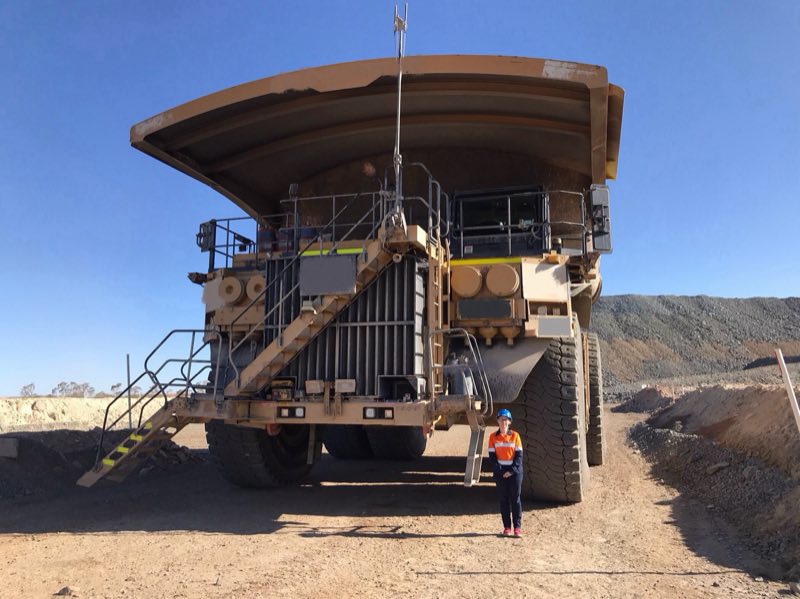
Jess Quilty, Human Factors Consultant, beside a mining haul truck

Fuel transport

Human factors review of emergency response

SystemiQ conducted a human factors review of the emergency response procedures and organisational systems of a large petroleum company, to support more effective emergency response among truck drivers transporting fuel, in both terminal and retail settings. The project involved:

  • Analysis and synthesis of incident reports, incident data and existing procedures
  • Development, distribution and analysis of a bespoke survey of risk attitudes and perception
  • Engagement with key stakeholders
  • Identification of targeted tools, procedural and systems improvements to enhance emergency response performance
  • Facilitation of targeted non-technical skills and threat and error management (TEM) training

Outcome: recommendations for clearer procedures, job aids and memory aids, and a standardised training program designed for every subcontracted transport operator to deliver to its own drivers.

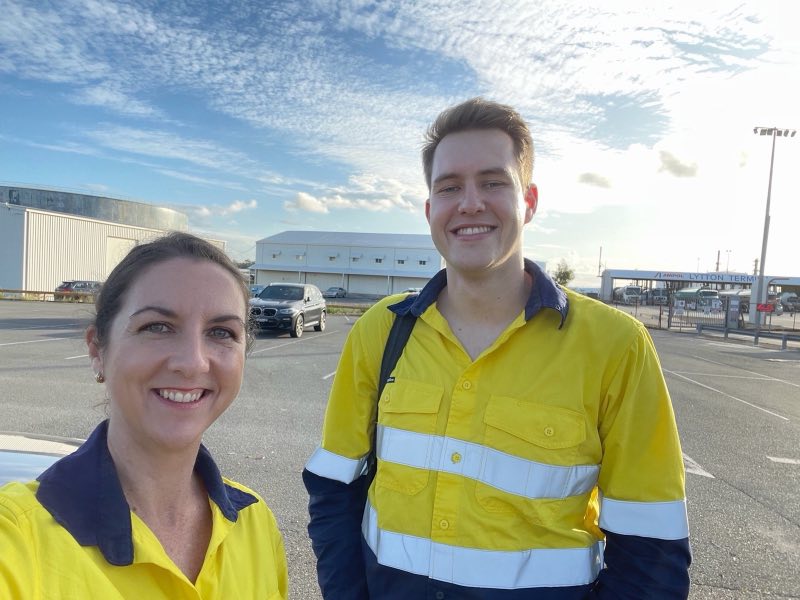
Ben Austin and Allison McDonald in high-visibility workwear on site

Contact SystemiQ

Contact SystemiQ about how we can make your safety management system agile and highly responsive to emerging human–system risks.

Prefer to phone or email? See our Contact us page.

We use your details only to respond to your enquiry. See our privacy policy.