

Digital Transition Assessment

The introduction of automation, artificial intelligence (AI) and the digitalisation of services is a growing focus for many organisations. These changes offer great efficiencies, but must be managed carefully to ensure a successful transition.

Understanding human–system interactions within automated or digital systems is critical to implementation success. Highly reliable automation can reduce an operator’s workload and improve operational performance. However, research has shown that it can also be detrimental to human performance if it is implemented without a good understanding of how the automation will interface with human operators, their tasks and work context.

The higher the degree of automation, and the more reliable it is, the more challenging it can be for operators to maintain the capabilities and situation awareness they need to regain manual control during an unexpected transition from automation. By understanding users’ capabilities, limitations and interactions with the system, it is possible to optimise the introduction of automation to reduce adverse human–system interactions.

Our Experience

SystemiQ has supported technology and innovation projects by identifying and understanding the ways in which new technologies interact with people. For example, we have:

  • Provided human factors advice to improve the usability and accessibility of electronic devices, web portals and mobile applications
  • Supported a rail operator introducing a new driverless train, by helping the organisation understand the training needs and human performance impacts for roles responsible for operating automated systems in degraded modes
  • Assessed how a new automated train control system would change the workload and skills of drivers and train controllers (see the case study below)

Our consultants have demonstrated knowledge and experience in applying well-established human factors principles and research to automation design, and can develop solutions that support the introduction of new technology and optimise system performance.

Examples of our work

Heavy vehicles

Route navigation system for bus drivers

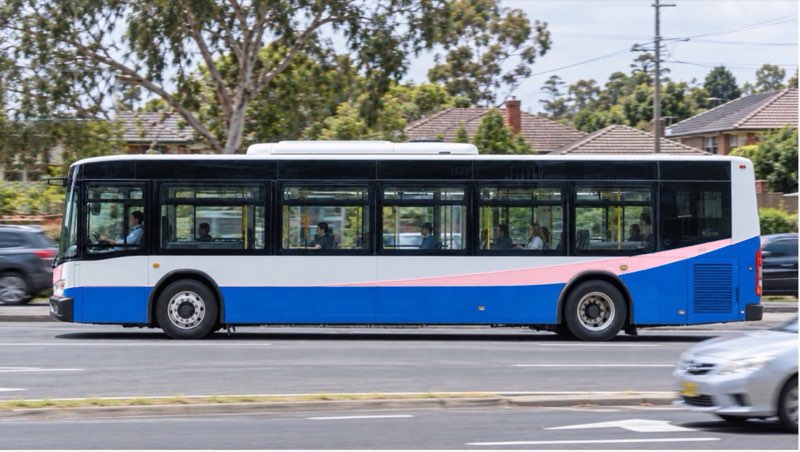
SystemiQ supported a large city bus operation to evaluate and optimise the software and hardware of a new route navigation system for its bus drivers. We assessed the design of the system for usability and for how well it fitted drivers’ operational tasks and driving environment.

The team administered robust tools to measure likely benefits of the system, and to identify any effects on driver situation awareness or workload. Design and configuration improvements were recommended so that the system would support drivers effectively in everyday operations.

Outcome: the client adopted the recommendations prior to full system implementation, leading to positive technology integration and acceptance among the workforce.

Rail automation

Workload and skills under a new automated train control system

For a major passenger rail operator introducing European Train Control System (ETCS) Level 2, SystemiQ analysed how in-cab signalling, new interfaces and different levels of automation would change the work of drivers and train controllers. Workload and human error analyses identified likely issues and ways to mitigate them. Training needs analyses covered the new skills involved, such as dividing attention between the track ahead and the in-cab display.

Read the full ETCS Level 2 case study.

Contact SystemiQ

Contact SystemiQ to discuss how we can assist you with the introduction of new technology.

Prefer to phone or email? See our Contact us page.

We use your details only to respond to your enquiry. See our privacy policy.