
Major infrastructure programs rely on complex interactions between people, technology, environments and procedures. When these interactions are not considered early in design, the result can be operational inefficiencies, safety risks and costly redesign in later project stages.

SystemiQ supports infrastructure programs by integrating human factors and operational expertise into engineering and project delivery teams. Our role is to ensure that systems are designed around real operational needs, human performance capabilities and long-term operational resilience.

We work with project owners, engineering firms and infrastructure delivery organisations to embed human factors across the full project lifecycle. See our human factors integration services.

Examples of our work

Emergency services

Design support for an emergency services facility

SystemiQ supported human-centred design activities during the architectural design phase of a new emergency services facility. By understanding the specific context of use, the facility could be designed to support users in performing their tasks and meeting operational requirements, while also ensuring comfort and habitability. Key activities included:

  • Working with key stakeholders and engineering disciplines to incorporate diverse operational and user needs, and ensure compliance with relevant project requirements
  • Engaging with end users to gather input and feedback on the context of use and proposed facility design decisions
  • Providing human factors guidance on design and procurement decisions
  • Contributing to risk and safety in design discussions
Airports

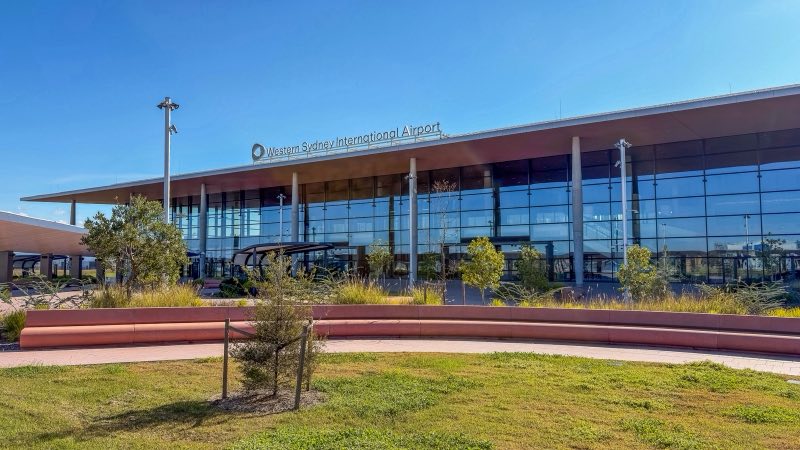
Wayfinding and human-centred design for a new international airport

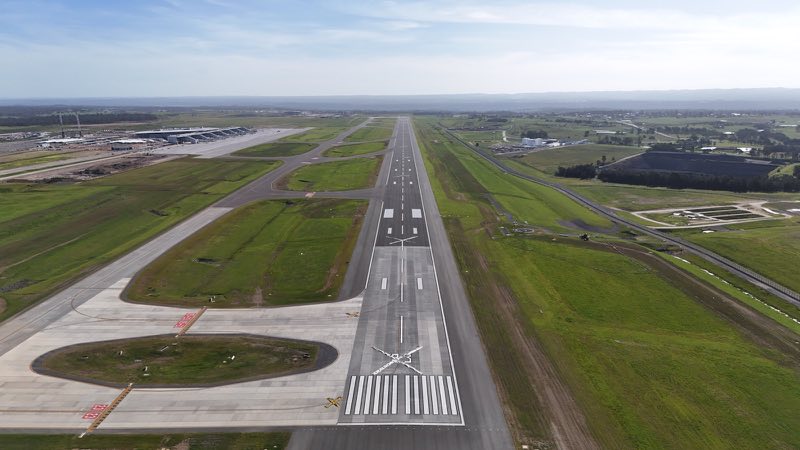
SystemiQ provided human-centred design support to the architectural design phase of a new international airport. This included identifying users, typical use scenarios and the context of use, and task analyses for a range of airport user populations, including customers, staff, visitors and service providers. Key areas of focus included:

  • Identifying a range of use scenarios and customer journeys, to support recommendations for effective wayfinding and signage
  • Understanding user needs, to support the effective layout of key functional areas of the building
  • Ensuring the physical environment suits the people working in the airport, for example workspace layouts, dimensions, surfaces, and access to equipment for maintenance
  • Managing the risks of antisocial behaviour through the design of the physical environment

Train control and signalling

Operational readiness for ETCS Level 2

SystemiQ supported a major passenger rail operator’s operational readiness for European Train Control System (ETCS) Level 2. The change brings in-cab signalling, removes lineside signals, and introduces new interfaces in the driver’s cab and at train controllers’ workstations. Our team assessed how these changes would affect the people operating the network. This included:

  • Task analyses for drivers and train controllers, drawing on engineering and supplier documentation, observations at a test laboratory and on simulators fitted with the new interfaces, process workshops with train crew, and engagement with technical and operational subject matter experts
  • A review of research and safety data on driver workload with conventional lineside signalling compared with ETCS Level 2, and analysis of ETCS-related incident investigation reports for the project’s early human factors analysis
  • Workload and human error analyses for drivers and train controllers, with suggestions to mitigate the issues identified
  • Risk-based training needs analyses for drivers, guards, and train control and signalling roles, covering technical and non-technical skills such as dividing attention between the track ahead (heads-up driving) and the in-cab display (heads-down driving)

Roads and Intelligent Transport Systems

Human factors assessment of intelligent transport systems for a major freeway upgrade

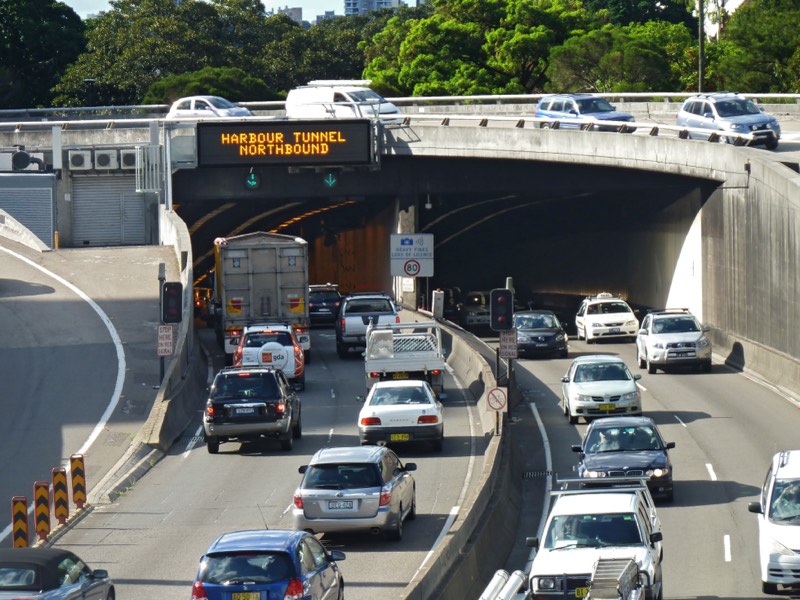
In collaboration with Integrate ITS, SystemiQ provided the human factors part of a combined reliability, availability, maintainability and human factors (RAM HF) assessment for a major freeway upgrade in Sydney. The upgrade connects new motorways into one of Australia’s busiest road networks, and its Intelligent Transport Systems (ITS) would be operated and maintained by several road and tunnel organisations. The human factors focus included the ITS and the over-height vehicle detection and management systems. Our work included:

  • Human factors reviews of the proposed designs, focusing on how the ITS equipment was integrated and how over-height vehicle detection and management was applied
  • Engaging with the people who would use the systems, including traffic management centre staff, tunnel operators and driver assistance services, to understand their tasks and context of use
  • Contributing to risk and safety in design workshops
  • Assessing the designs against project requirements, norms and conventions, and specific safety needs, alongside Integrate ITS’s reliability, availability and maintainability analysis

Outcome: the client met its RAM HF assessment obligations, with the human factors findings feeding into the overall assessment of the upgraded systems.

Read Integrate ITS’s summary of this project.

Rail

Human factors in the design of new passenger rollingstock

SystemiQ provided human factors capability for the development of new passenger rollingstock during the detailed design phase. Applying human factors meant that the requirements of a range of passenger groups, crew, maintainers and the manufacturer were considered in the design. Key responsibilities included:

  • Coordinating human factors activities and providing design support for numerous rollingstock subsystems
  • Conducting a wide range of stakeholder engagements, which supported design decisions and human-centred design process requirements
  • Developing and managing the project’s human factors artefacts

Contact SystemiQ

Contact SystemiQ to discuss how we can support your infrastructure project with specialist human factors expertise.

Prefer to phone or email? See our Contact us page.

We use your details only to respond to your enquiry. See our privacy policy.