Workload, including both underload and overload, can have significant consequences for workers and organisations alike.

Underload can result in inefficiency, boredom and low levels of alertness, while overload can contribute to errors, delays and stress. A balanced workload helps people to perform at their best, benefiting both the individual and the organisation.

A workload analysis identifies instances of underload and overload across different roles, so that steps can be taken to optimise them.

How we can help

SystemiQ can help your organisation understand the impacts of workload by conducting a workload analysis. The process involves understanding the demands placed on roles and individuals, and highlighting any that may be negatively affecting operations.

Workload analyses can be conducted on existing roles, and can also inform transitions to, or the development of, new roles. They are often combined with a task analysis.

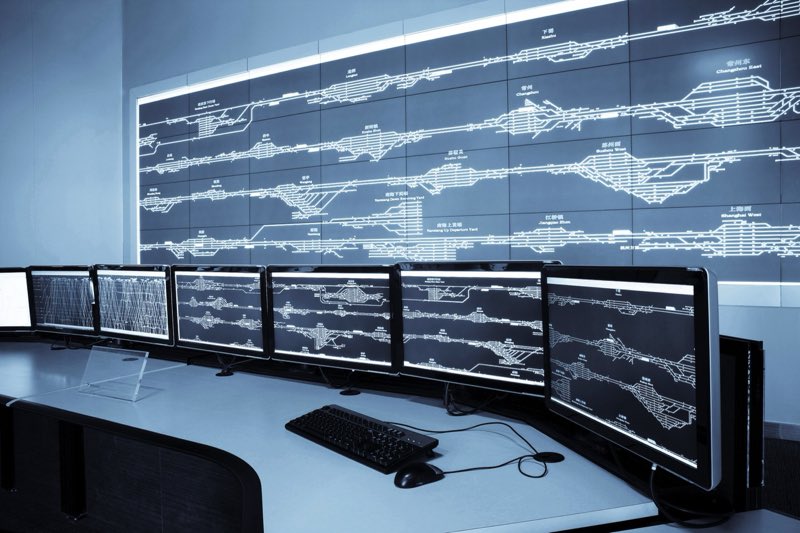
For example, we used interviews, observation and statistical modelling to identify the factors driving train controllers’ workload during the commissioning of a new train control system. Read the train controller workload case study.

Contact SystemiQ

Contact SystemiQ to discuss how we can help your organisation to understand the sources and impacts of workload within your operations.

Prefer to phone or email? See our Contact us page.

We use your details only to respond to your enquiry. See our privacy policy.