
Major infrastructure projects involve complex systems where people, technology, procedures and environments must work together seamlessly. When human capabilities and limitations are not considered early in design, the result can be reduced safety, operational inefficiencies, costly redesign and long-term operational risk.

SystemiQ provides human factors integration (HFI) and human factors engineering (HFE) services that ensure human performance is considered throughout the engineering lifecycle of major projects. Our consultants work alongside engineering, design and operations teams, within your systems engineering framework, to ensure that infrastructure, technology and operating environments are safe, usable and optimised for real-world operations.

Our consultants are specialists in organisational psychology, cognitive ergonomics, physical ergonomics and anthropometry. We support major infrastructure programs, system upgrades and complex operational environments across aviation, rail, energy, transport and other critical infrastructure. See examples of our work on infrastructure and major projects.

We support your project’s risk management and assurance in:

  • Human factors and ergonomics
  • Universal design and human-centred design
  • Accessibility

The most efficient and cost-effective integration starts as early as possible in the project.

Human factors across the project lifecycle

Concept and Feasibility

At the earliest stages of a project, we help define how systems will actually be used, and set the project up for success. Activities can include:

  • Operational concept development
  • Identifying user populations, and their physical and cognitive characteristics and capabilities
  • Mapping human–system interfaces, and the goals, functions and tasks of each human role
  • Stakeholder and operator engagement
  • Early risk identification

Humans are a component of all systems, even highly automated systems: people design, build, operate, maintain, manage and oversee them. Building their needs into the foundations of the project lets the system perform to its highest potential.

Human Factors Requirements

We identify the relevant human factors and accessibility standards and guidelines, and develop measurable, traceable requirements to ensure that the system:

  • Is easily operated by all users
  • Can be easily operated in normal, degraded and emergency conditions
  • Can be easily operated in all relevant environments and contexts
  • Is tolerant of human error

Applying the relevant standards from the start helps the project achieve compliance outcomes.

Design and Human Factors Engineering

During design phases we support engineering, architecture and safety teams to ensure systems are usable, safe and aligned with operational realities. We provide:

  • Human-centred design guidance
  • Control room and workspace design
  • Human–machine interface evaluation
  • Workload and cognitive demand analysis
  • Operational workflow design
  • Human factors risk assessment

Our goal is to help designers create systems that support human performance and operational goals, rather than relying on people to compensate for design limitations.

Assessment, User Testing and Iteration

We use robust methods to understand how people will interact with your system, such as task analysis, anthropometric assessment, human performance assessment, workload analysis, usability reviews and human error assessments. User testing is carried out with representative participants, using procedures based on scientific research principles.

The resulting objective data pinpoints the areas of the design that most affect user and system performance, shows whether requirements have been met, and informs design decisions. We then work with you to improve the design iteratively, updating requirements and recommending changes until requirements are met.

Implementation and Commissioning

As projects move toward delivery, we ensure that systems transition safely into operation. Our support includes:

  • Operational readiness assessments
  • Training needs analysis
  • Procedure design and review
  • Safety assurance support
  • Human factors verification and validation

This helps organisations reduce operational risk during system introduction and major transitions.

Documentation and Assurance

We document every human factors activity, so there is traceable evidence that each requirement has been met:

  • Human Factors Integration Plan
  • Human factors requirements
  • Human factors testing and assessments
  • Human Factors Issues Log
  • Human factors assurance reports

Wherever possible, this sits within the project’s existing documentation rather than alongside it. For example, human factors assurance can form part of broader safety assurance reports, and human factors risks can be managed in the project hazard log or safety risk register.

Supporting engineering and project teams

SystemiQ works as a technical partner to engineering, architecture and project management teams. Our consultants are experienced in collaborating within large multidisciplinary environments, including:

  • Engineering design teams
  • Infrastructure delivery authorities
  • Project management offices
  • Operational stakeholders
  • Safety assurance teams

We understand the realities of complex projects

  • Stage gate approvals
  • Safety case development
  • Regulatory oversight
  • Multi-contractor programs

This allows us to deliver practical, implementable human factors solutions that align with engineering and project delivery frameworks.

Delivering value to major projects

Human factors integration delivers measurable benefits to complex projects.

  • Reduced Redesign Costs

    Identifying human factors risks early prevents expensive changes late in project delivery.

  • Improved Operational Performance

    Systems designed around human performance lead to more efficient operations.

  • Enhanced Safety Outcomes

    Human-centred design reduces operational errors and improves system resilience.

  • Regulatory Confidence

    Human factors integration supports safety cases and regulatory approvals.

  • Future-Ready Systems

    Infrastructure designed with people in mind remains effective as operations evolve.

Examples of our work

Transport technology and accessibility

Human factors and accessibility support for a new transport ticketing system

SystemiQ provided human factors and accessibility support for the introduction of a new transport ticketing system. This included human factors assessments and human-centred design support for ticketing devices (rail, bus and ferry), staff and customer web portals, and mobile applications. Our work included:

  • Conducting human factors reviews of the system design, and engaging with system users to understand and incorporate their needs in the design process
  • Contributing to the identification and management of human factors and accessibility risks and issues, including supporting updates to the system design and, in some cases, to manufacturer and operator procedures and training
  • Managing the activities to achieve and verify compliance with relevant human factors standards and requirements, and with relevant sections of accessibility standards, including the Disability Standards for Accessible Public Transport (DSAPT), AS 1428, AS EN 301 549 and the Web Content Accessibility Guidelines (WCAG) 2.1
  • Documenting the outcomes of all human factors and accessibility work as part of the systems engineering process

Outcome: our recommendations were adopted, leading to systemic improvements in human factors and accessibility. Compliance was verified and documented for each part of the system, including accessibility-compliant installation guidelines for the ticketing devices.
Rollingstock

Operational readiness support for new rollingstock

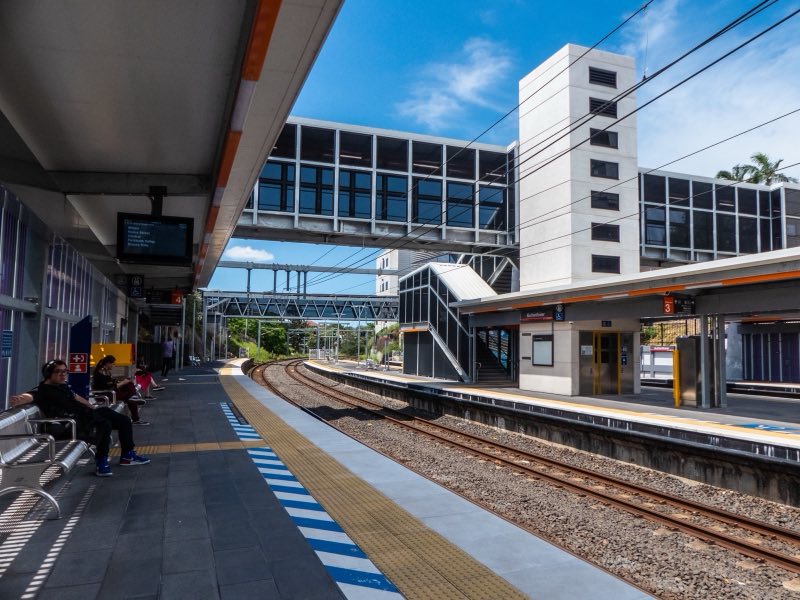
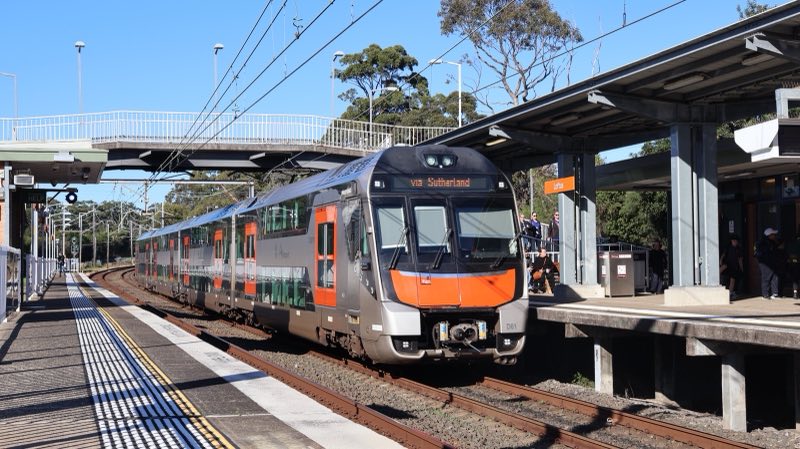
SystemiQ supported a rollingstock manufacturer by completing risk-based training needs analyses (RBTNAs) and developing conversion courses for all operational roles interfacing with a new rollingstock fleet.

The RBTNAs identified and prioritised training needs by understanding the tasks performed within each role, the systems or tools used to perform them, and the context in which they would be performed.

Conversion courses were designed for a range of roles, including traincrew, station staff, customer service, maintenance, control, cleaners, emergency response and security personnel, and covered both technical and non-technical skills. The complete training package was based on adult learning principles and consisted of interactive, engaging courses with practical exercises, supported by facilitation guides and assessment materials. SystemiQ also trained the operator’s facilitators to deliver the new package.

Outcome: a complete conversion training suite for every operational role, aligned with national vocational training requirements and delivered by the operator’s own trainers. When the rollingstock design later changed, the client engaged SystemiQ again to update the training to match.

Airports and the built environment

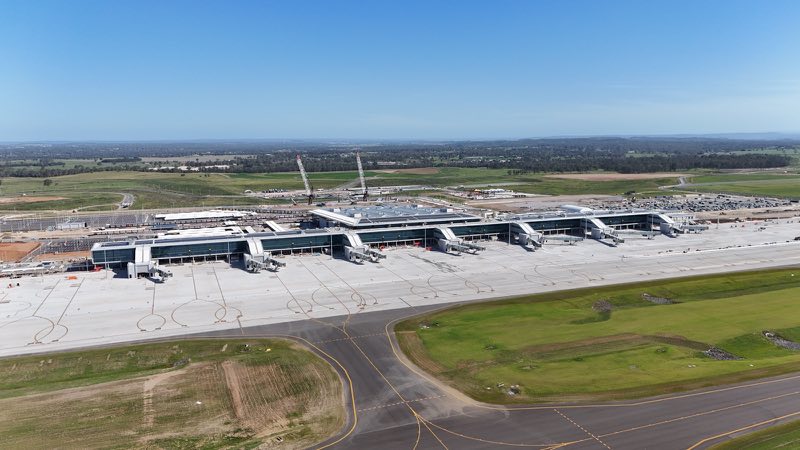
Human factors integration for airport design

SystemiQ provided human-centred design support to the architectural design phase of a new international airport. This included identifying users, typical use scenarios and the context of use, and task analyses for a range of airport user populations, including customers, staff, visitors and service providers. Key areas of focus included:

  • Identifying a range of use scenarios and customer journeys, to support recommendations for effective wayfinding and signage
  • Understanding user needs, to support the effective layout of key functional areas of the building
  • Ensuring the physical environment suits the people working in the airport, for example workspace layouts, dimensions, surfaces, and access to equipment for maintenance
  • Managing the risks of antisocial behaviour through the design of the physical environment

Outcome: our recommendations on wayfinding, accessibility and the risk of slips, trips and falls were adopted in the design, leading to systemic improvements for the people who use and work in the airport.

Roads and Intelligent Transport Systems

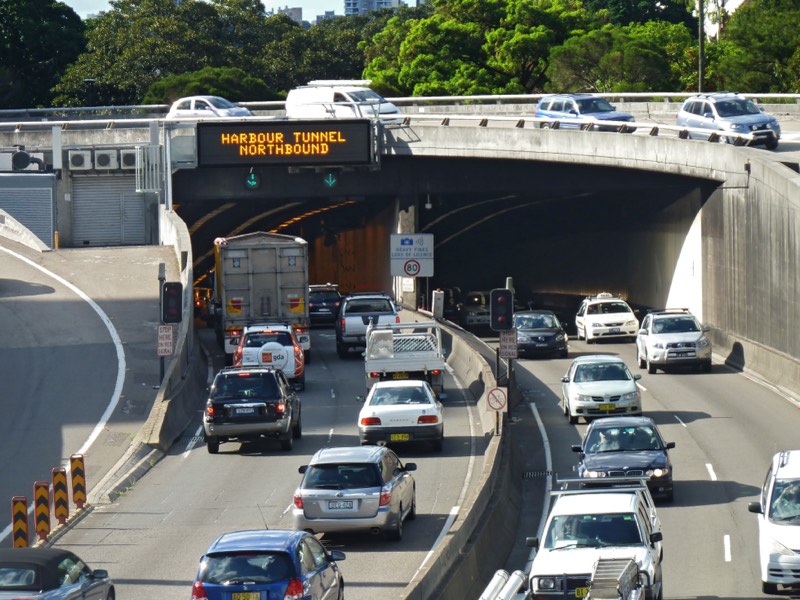
Human factors assessment of intelligent transport systems for a major freeway upgrade

In collaboration with Integrate ITS, SystemiQ provided the human factors part of a combined reliability, availability, maintainability and human factors (RAM HF) assessment for a major freeway upgrade in Sydney. The upgrade connects new motorways into one of Australia’s busiest road networks, and its Intelligent Transport Systems (ITS) would be operated and maintained by several road and tunnel organisations. The human factors focus included the ITS and the over-height vehicle detection and management systems. Our work included:

  • Human factors reviews of the proposed designs, focusing on how the ITS equipment was integrated and how over-height vehicle detection and management was applied
  • Engaging with the people who would use the systems, including traffic management centre staff, tunnel operators and driver assistance services, to understand their tasks and context of use
  • Contributing to risk and safety in design workshops
  • Assessing the designs against project requirements, norms and conventions, and specific safety needs, alongside Integrate ITS’s reliability, availability and maintainability analysis

Outcome: the client met its RAM HF assessment obligations, with the human factors findings feeding into the overall assessment of the upgraded systems.

Read Integrate ITS’s summary of this project.

Contact SystemiQ

Contact SystemiQ to discuss how we can support your project with specialist human factors expertise.

Prefer to phone or email? See our Contact us page.

We use your details only to respond to your enquiry. See our privacy policy.