

Human error and human performance are often seen as sources of risk within an operation. Integrating human factors into your safety management system (SMS) shifts the focus to the conditions within the system that shape performance, so risks can be managed before they lead to an adverse event. Applying the same thinking to organisational and technical change helps anticipate its effects on people, and avoid unintended consequences.
To find out how we can support your organisation, see human factors in safety management.
Topics

Safety Management Systems
Identifying sources of human–system risk in your SMS and putting controls in place to manage them.

Incident Investigations
Bringing human factors and systems thinking into investigations, to find the conditions behind human error.

Safety Culture and Just Culture
Measuring safety culture maturity and designing tailored changes that embed a just culture.

Effective and Usable Procedures
Designing user-centred procedures that support people to do the right thing and make the right decisions.

Psychosocial Risk Management
Assessing the likelihood and impact of psychosocial risks across roles, and putting proactive strategies in place.
Change Management
Using systems thinking to anticipate the human impacts of change and avoid unintended consequences.

Job and Task Design
Designing jobs, tasks and supporting procedures that optimise human performance and wellbeing.
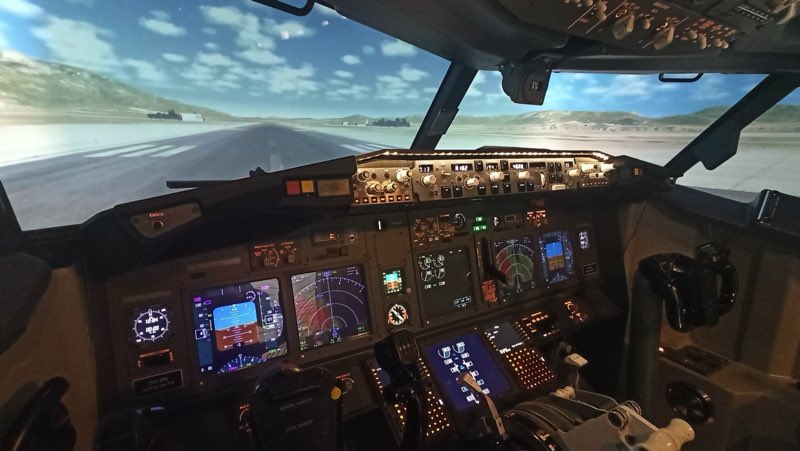
Threat and Error Management
A practical framework for anticipating threats, catching errors and recovering safely, used in aviation and rail.
Contact SystemiQ
Contact SystemiQ to discuss how specialist human factors expertise can support your organisation.
Prefer to phone or email? See our Contact us page.