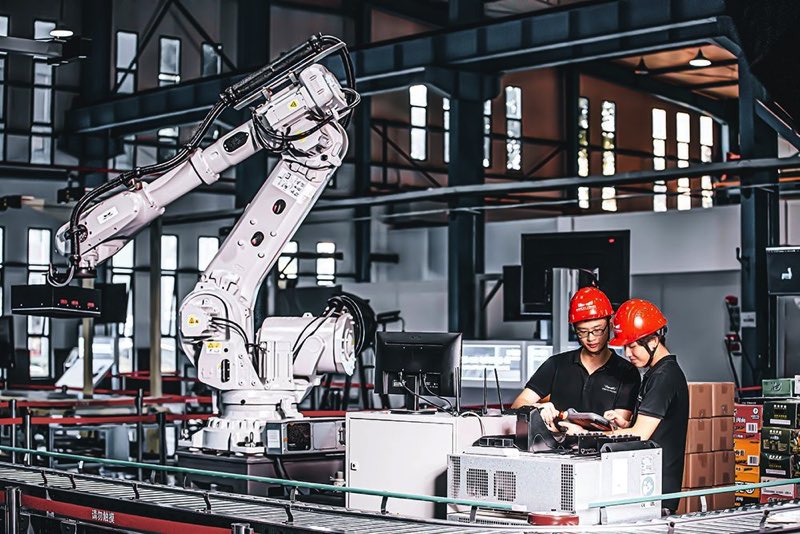
The introduction of automation and the digitalisation of services is a growing focus for many organisations. These changes offer great efficiency, but must be managed carefully to ensure a successful transition.

Understanding human–system interactions within automated or digital systems is critical to implementation success.

Why Transitions Matter

Highly reliable automation can reduce an operator’s workload and improve operational performance. However, research has shown that it can also be detrimental to human performance if it is implemented without a good understanding of how the automation will interface with human operators.

The higher the degree of automation, and the more reliable it is, the more challenging it can be for operators to maintain the capabilities and situation awareness they need to regain manual control during an unexpected transition from automation.

By understanding users’ capabilities, limitations and interactions with the system, it is possible to manage transitions from system control to operator control effectively, and to increase productivity and safety.

How we can help

Our team can develop solutions to support the introduction of an automated system and optimise system performance. For artificial intelligence (AI) in particular, see our human-centred AI implementation services.

Contact SystemiQ

Contact SystemiQ to discuss how we can help you to manage the integration of automation within your organisation, to support safe, effective and efficient operational performance.

Prefer to phone or email? See our Contact us page.

We use your details only to respond to your enquiry. See our privacy policy.